
Increasing the lifespan of faucets is one of the most important aspects of maintaining building fixtures. Faucet failures not only raise repair and replacement costs, but can also cause damage to the internal plumbing system. Studies show that approximately 30–40% of faucet malfunctions in buildings occur due to scale buildup, worn-out O-rings, and improper usage. However, by following a few simple principles, it is possible to significantly extend the lifespan of faucets and even maintain their performance as if they were new.
In this article, with the aim of providing practical solutions for extending faucet lifespan, we first examine the most common issues affecting faucets and then introduce 10 scientific and practical methods for proper maintenance of building faucets.
Common Faucet Problems
Protecting faucets at home or in the workplace is neither difficult nor complicated. However, before discussing methods to increase the lifespan of faucets, it is essential to understand the most common problems they face. Identifying these issues helps us take a more precise and effective approach to faucet maintenance. Below, we review the most common faucet problems:
1. Scale Buildup in the Faucet Aerator
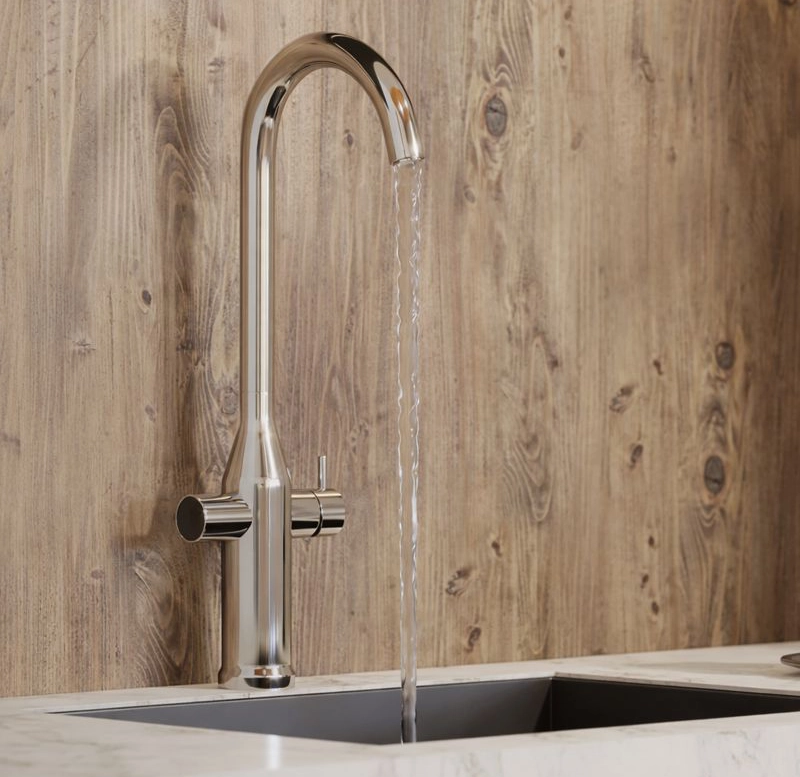
The accumulation of mineral deposits caused by water hardness inside the aerator leads to a reduction in water flow. This issue results in decreased water pressure, uneven spraying, and gradual damage to internal components. In areas with high water hardness, this problem can cause more severe damage to faucets over time.
2. Faucet Dripping and Cartridge Failure
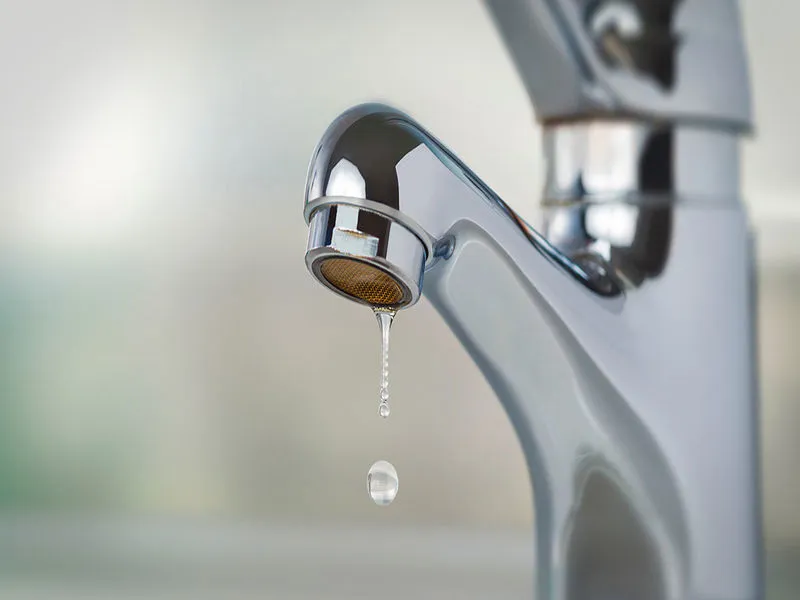
The cartridge is the main component responsible for controlling water flow, and its failure leads to leakage, dripping, and reduced accuracy in temperature control. Using hard water with high mineral content, forceful operation of the faucet, and sudden pressure shocks are among the primary causes of cartridge damage.
3. Discoloration and Stains on the Faucet Surface
This is one of the most common issues affecting all types of faucets. White and yellow stains are usually caused by limescale deposits, while brown stains may result from iron content in the water. Using inappropriate or harsh cleaning agents can also dull the faucet surface and damage its finish.
4. Stiff or Hard-to-Operate Handle
This issue is mainly caused by mineral deposits entering the cartridge or by dried and worn O-rings. If ignored, a stiff handle can eventually lead to cartridge cracking or failure.
5. Leakage from the Faucet Body or Hose Connections
Older faucets or models made with low-quality O-rings are more prone to leakage, whereas faucets with high manufacturing quality experience this problem far less frequently. Low-quality hoses may also crack over time, leading to water leaks.
6. Malfunction of Sensor and Smart Faucets
These faucets typically encounter problems due to sensor sulfation, battery failure, or scale buildup in the solenoid valve. Proper maintenance plays a crucial role in the performance of these models, and when issues occur, the exact cause should be accurately identified.
Proper Faucet Maintenance Methods
Now that we are familiar with the main causes of faucet damage and malfunction, we can better focus on proper faucet maintenance methods. It is important to note that one of the most crucial factors in extending the lifespan of building faucets—alongside correct maintenance—is using high-quality products such as Rassan faucets. Below, we review 10 fully practical and proven methods to prevent faucet damage and extend their service life.
1. Regular and Proper Faucet Cleaning
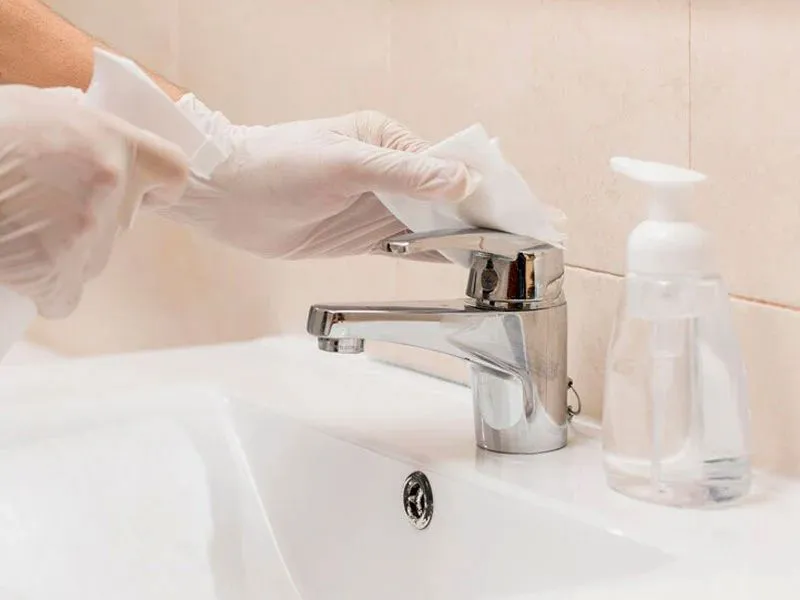
Weekly cleaning of faucets is one of the simplest yet most important ways to increase their lifespan. Every day, water droplets and bathroom steam remain on the faucet surface. These droplets contain limescale and mineral deposits which, if left untreated, first create white stains and eventually cause the entire surface to become dull.
For proper cleaning:
Use a soft microfiber cloth to prevent scratching the surface.
- Mild, pH-neutral detergents are the best choice.
- Never use steel wool or abrasive sponges, as they damage the nickel or chrome coating.
- A mixture of warm water and a small amount of dishwashing liquid is ideal for daily cleaning.
- Consistent and correct cleaning prevents mineral buildup and keeps faucets shiny and well-maintained for years.
2. Regular Descaling of the Aerator
As mentioned earlier, the aerator (faucet filter) is the first point where scale buildup occurs. A clogged aerator leads to reduced water pressure, uneven water flow, increased water consumption, and added stress on the cartridge.
For thorough descaling:
- Remove the aerator.
- Soak it in white vinegar for 30 minutes.
- Gently remove deposits using a soft toothbrush.
- Rinse thoroughly with warm water and reinstall.
In areas with hard water, descaling every 1 to 2 months is recommended. This process significantly extends cartridge lifespan and reduces pressure on internal components.
3. Using Anti-Scale Filters and Water Purification Systems
Hard water is one of the biggest enemies of faucets. Minerals such as calcium and magnesium precipitate faster at higher temperatures, forming scale that accumulates inside cartridges and internal waterways.
Therefore, using water filtration systems—especially at the main building inlet—has a major impact on extending faucet lifespan. Suitable filter types include:
- Polypropylene (PP) filters for removing suspended particles
- Carbon filters to reduce chlorine
- Magnetic scale inhibitors to alter mineral crystal structure
- Resin-based water softeners for areas with extremely hard water
The benefits of these filters include a 50–80% reduction in scale formation, which can double the lifespan of faucets, reduce the need for periodic servicing, and minimize wear on hoses and connections.
4. Gently Operating the Faucet Handle or Lever
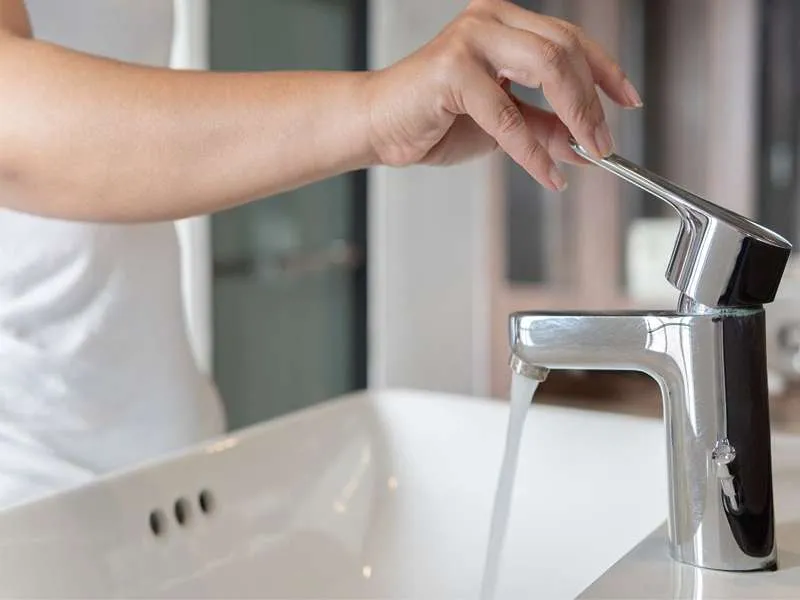
One of the most common mistakes is operating the faucet harshly, especially in single-lever models. This behavior puts excessive pressure on the cartridge and can lead to cracked ceramic discs, handle jamming, stiffness during operation, and faucet dripping.
For proper maintenance:
- Raise the lever gently to the required position.
- Avoid sudden force when closing the faucet.
- Allow the water temperature to adjust gradually.
When caring for sensor faucets, it is also essential to strictly avoid hitting or striking the body or the sensor area.
5. Periodic Inspection of Hoses and Connections
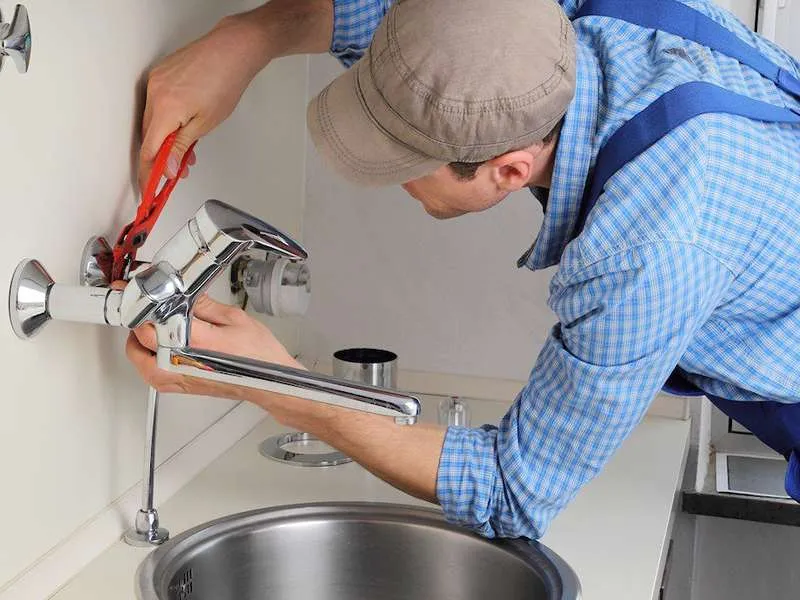
Flexible connector hoses—especially those located under sinks—are often overlooked, yet they are exposed to pressure, temperature changes, and water quality issues. Over time, these hoses may crack, deteriorate, leak, or bulge.
To extend faucet lifespan:
- Use braided stainless steel hoses.
- Inspect connections every few months.
- Replace hoses immediately if they become stiff, discolored, or damaged.
- Non-standard hoses can lead to costly water leaks.
6. Avoid Using Acidic or Bleaching Cleaners
Acidic cleaners such as strong descalers, bleach, and chlorine-based products can seriously damage faucet finishes. The consequences of using such substances include surface dullness, permanent stains, peeling of the plating, reduced moisture resistance, and a shortened faucet lifespan.
Safe cleaning solutions include:
- Using cleaners specifically designed for faucets
- A mixture of water and dishwashing liquid
- Alcohol for removing greasy stains
- Drying the faucet thoroughly after cleaning
Proper care and attention during cleaning significantly extend faucet lifespan and help keep them free from discoloration or scratches for many years.

7. Preventing Water Hammer
Water hammer is a serious plumbing issue that causes severe jolts in pipes and damages faucets. This problem occurs when water suddenly stops moving inside the pipe. Experts usually identify water hammer by symptoms such as banging noises when opening or closing faucets, pipe vibrations, cartridge damage, and cracked fittings. To prevent this issue, the following measures are recommended:
- Install pipe arrestors or air cushions
- Control the building’s water inlet pressure
- Install pressure-reducing valves in older buildings
Implementing these measures can reduce the likelihood of internal faucet damage by up to 70% and help extend the lifespan of faucets.
8. Annual Servicing of Cartridge and O-Rings
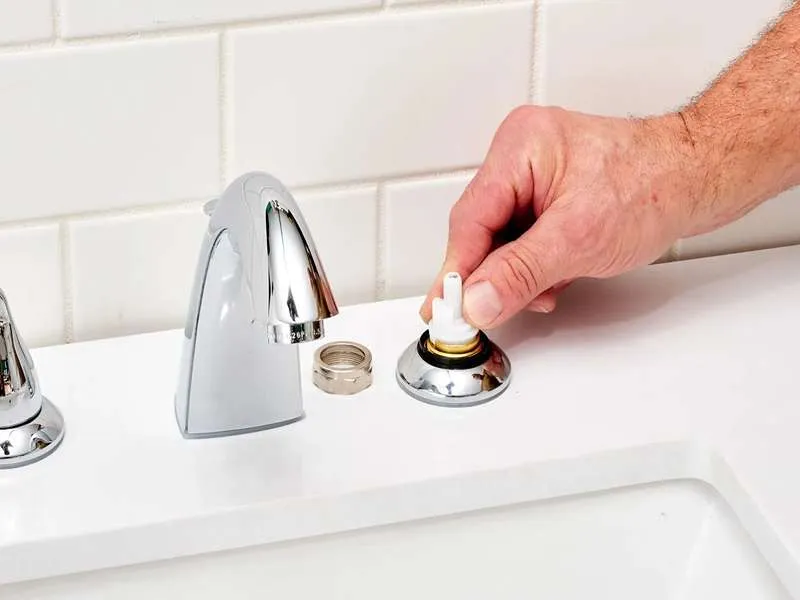
As mentioned, the cartridge is the heart of a lever faucet. Neglecting its maintenance can cause faucet leaks, stiff handles, irregular water flow, and damage to ceramic plates. For annual cartridge servicing, follow these steps:
- Remove the cartridge
- Clean it with a mild descaling solution
- Lubricate the O-rings with special silicone grease
- Check for internal leaks
If the cartridge is cracked, it must be replaced. Using an original cartridge significantly contributes to extending the faucet’s lifespan.
9. Drying the Faucet Body After Each Use
Drying the faucet body, especially in bathrooms, is one of the simplest yet most effective ways to maintain faucets and prevent limescale buildup. Water droplets left on the surface evaporate and leave mineral deposits. This practice:
- Keeps the faucet looking shiny
- Prevents white stains
- Extends the lifespan of the finish
- Reduces the need for descaling
The best method is to use a soft cloth or small towel after each use or at least once a day.
10. Protection Against Freezing in Winter
When water freezes, its volume increases by 9%, generating pressures exceeding 200 bar, which can crack the brass body of faucets. To prevent damage in cold climates and winter:
Insulate outdoor and rooftop faucets with fiberglass or foam pipe insulation
During very cold nights, leave the faucet slightly open to allow water to drip
Ensure proper faucet installation from the start, as incorrect installation creates permanent stress on the body
Always use original parts during repairs; counterfeit parts generally have shorter lifespans and poor performance
Finally, the quality of faucet construction plays a critical role in its durability. Faucets like Rassan products, with high-quality ceramic cartridges meeting ASTM standards, can perform flawlessly up to 500,000 times.
Practical Tips to Prevent Limescale
Before listing practical tips, it’s important to know that limescale is the main cause of reduced water pressure and internal component damage. Limescale is the accumulation of minerals such as calcium and magnesium on the internal and external surfaces of faucets, which gradually disrupts their function. Here are some key tips to prevent limescale and extend faucet life:
- Use a sediment filter at the building’s water inlet
- Regularly descale the aerator
- Use white vinegar for descaling
- Dry the faucet body after use
- Use faucets with nano-coated, scale-resistant surfaces
These measures have been specifically proven to prevent up to 50% of limescale buildup. The table below compares five common methods for preventing limescale in faucets:
| Method | Limescale Reduction | Effective Lifespan | Ease of Installation | Overall Effectiveness |
|---|---|---|---|---|
| Mechanical inlet filter | 30–40% | 1–2 years | Easy | Good |
| Polyphosphate water softener | 60–75% | 6–12 months | Medium | Excellent |
| Magnetic water softener | 40–60% | Permanent | Easy | Good |
| RO Water Purifier | 95%+ | 10–15 years | Requires technician | Excellent (whole house) |
| Monthly chemical descaler | 50–70% | – | Very easy | Medium |
Final Recommendation: For most Iranian households, a combination of “mechanical filter + polyphosphate water softener” offers the best cost-to-performance ratio.
Conclusion
Extending the lifespan of faucets requires observing a few simple but important practices. Regular cleaning, preventing limescale, using appropriate filters, and periodic servicing can significantly increase faucet life and reduce repair and replacement costs. Awareness of common issues and choosing reputable brands also play a crucial role in proper maintenance. By following these guidelines, faucets will remain healthy, clean, and fully functional, just like the first day.
